


Surge Protection
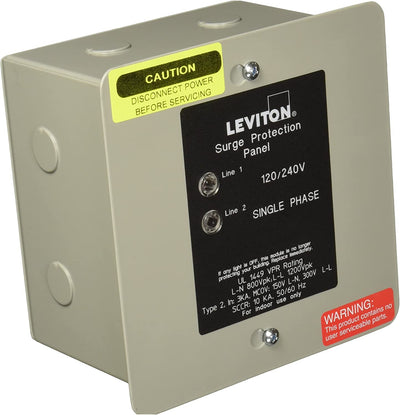
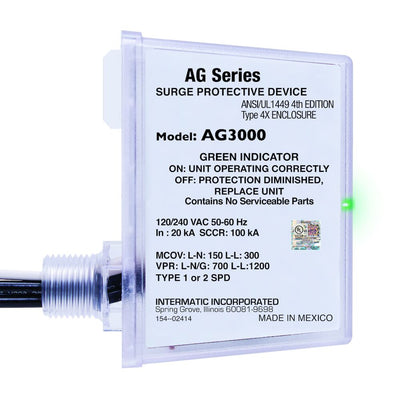
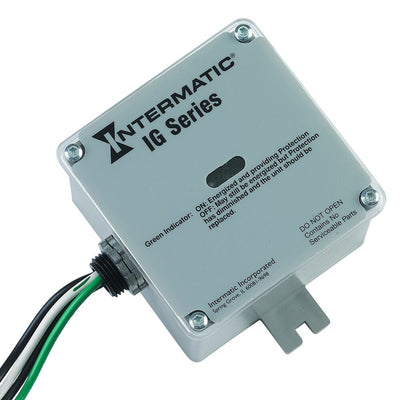
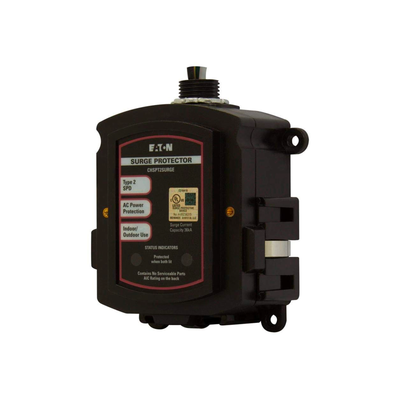
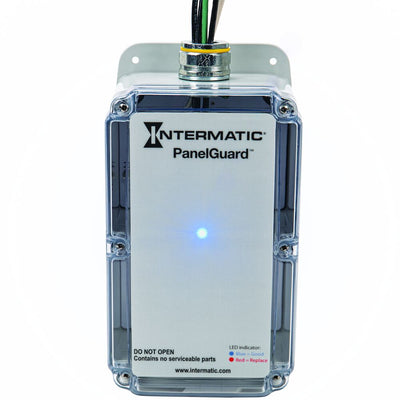
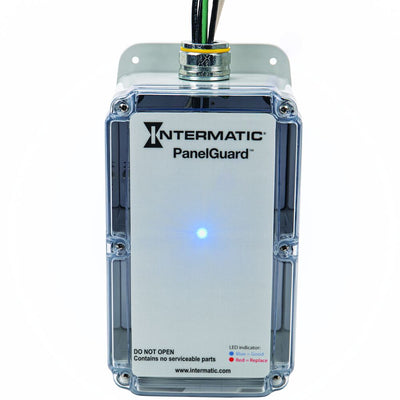
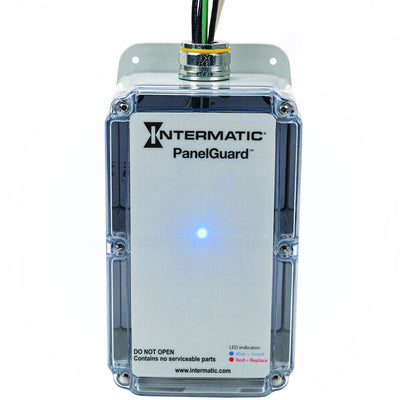
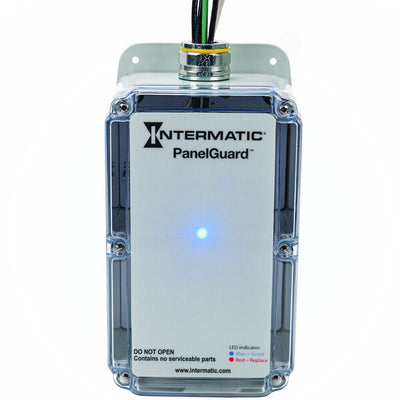
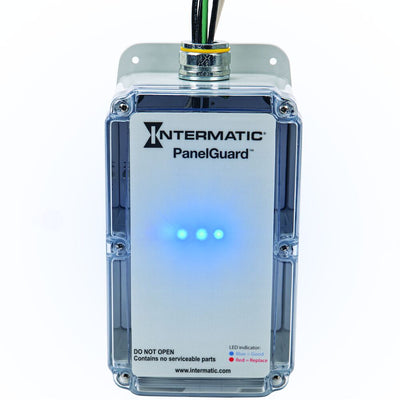
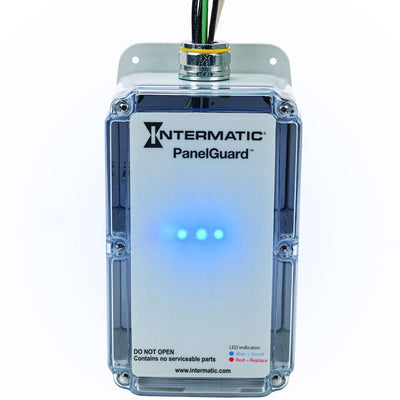
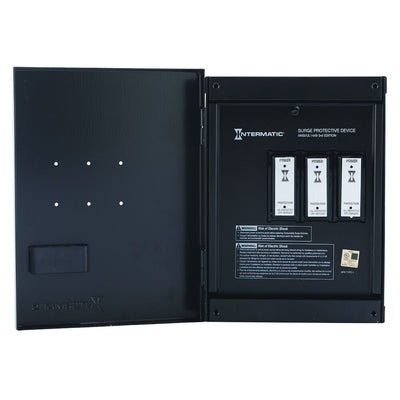
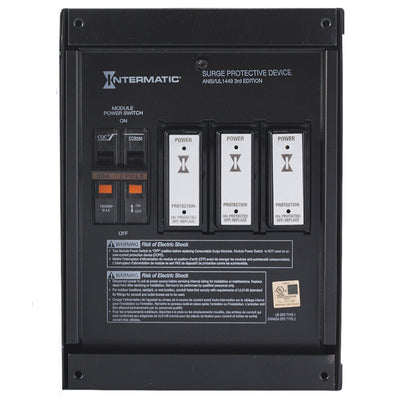
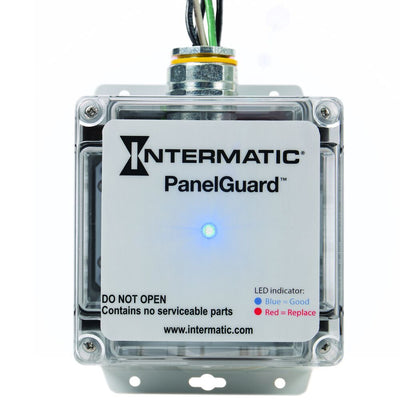
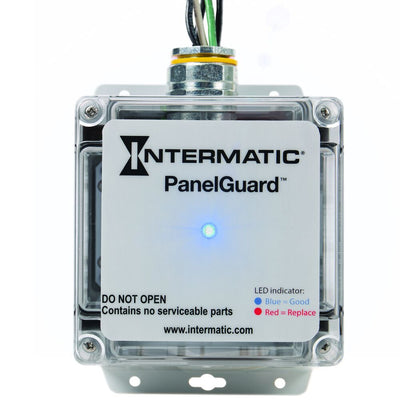
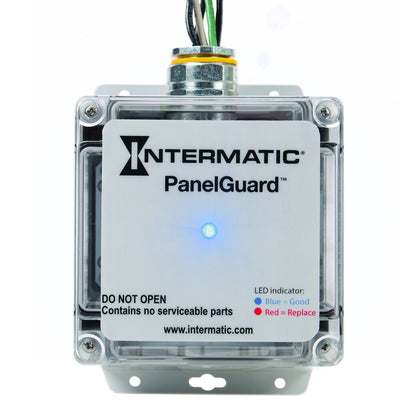
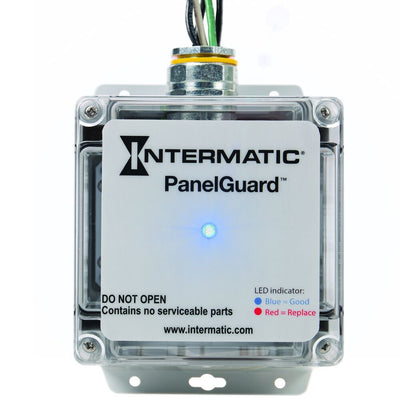
Surge protective devices (SPDs) defend a building's wiring and connected equipment from damaging voltage spikes caused by lightning, utility switching, and large motor loads. Rock Lighting & Electric stocks surge protection from Eaton, Intermatic, and more.
 Electrical
 Surge Protectors
 Breakers & Panels
Frequently Asked Questions
What is a surge protective device (SPD)?
An SPD is a device that limits transient overvoltages and diverts surge current to protect electrical systems and connected equipment. SPDs are rated by type and by their voltage protection rating; panel-level devices guard the whole system while point-of-use units protect specific electronics.
What is the difference between a Type 1 and Type 2 SPD?
A Type 1 SPD is installed on the line side of the main service disconnect (before the main breaker) and can handle larger external surges such as lightning. A Type 2 SPD is installed on the load side (at the panel) to protect downstream branch circuits. Many installations use both for layered protection.
Do I need whole-house surge protection?
Since the 2020 National Electrical Code, a surge protective device is required for dwelling-unit electrical services (NEC 230.67). Beyond code, whole-house protection is strongly recommended anywhere with sensitive electronics, HVAC, and LED lighting that can be damaged by surges. Always confirm current requirements with your local code authority.
Where is a surge protector installed?
Panel-mounted Type 1 or Type 2 SPDs install at or ahead of the main service panel for whole-building protection. Point-of-use protectors install at the outlet or equipment for an added layer on sensitive devices like AV, computers, and network gear.